A CSA box is not a menu. What arrives each week depends on what the farm harvested in the previous days. For households accustomed to grocery shopping with a specific list in hand, this shift in approach — from choosing ingredients to cooking around what is available — is the most significant adjustment that CSA members describe in their first season.
Understanding what grows when across Canadian provinces, and how to handle the produce that arrives, is central to making the arrangement work through the full season without waste.
The Canadian CSA Growing Calendar
Canada's growing season varies considerably by latitude and microclimate, but most CSA vegetable operations follow a rough arc that members can anticipate:
May–June: Cool Season Greens
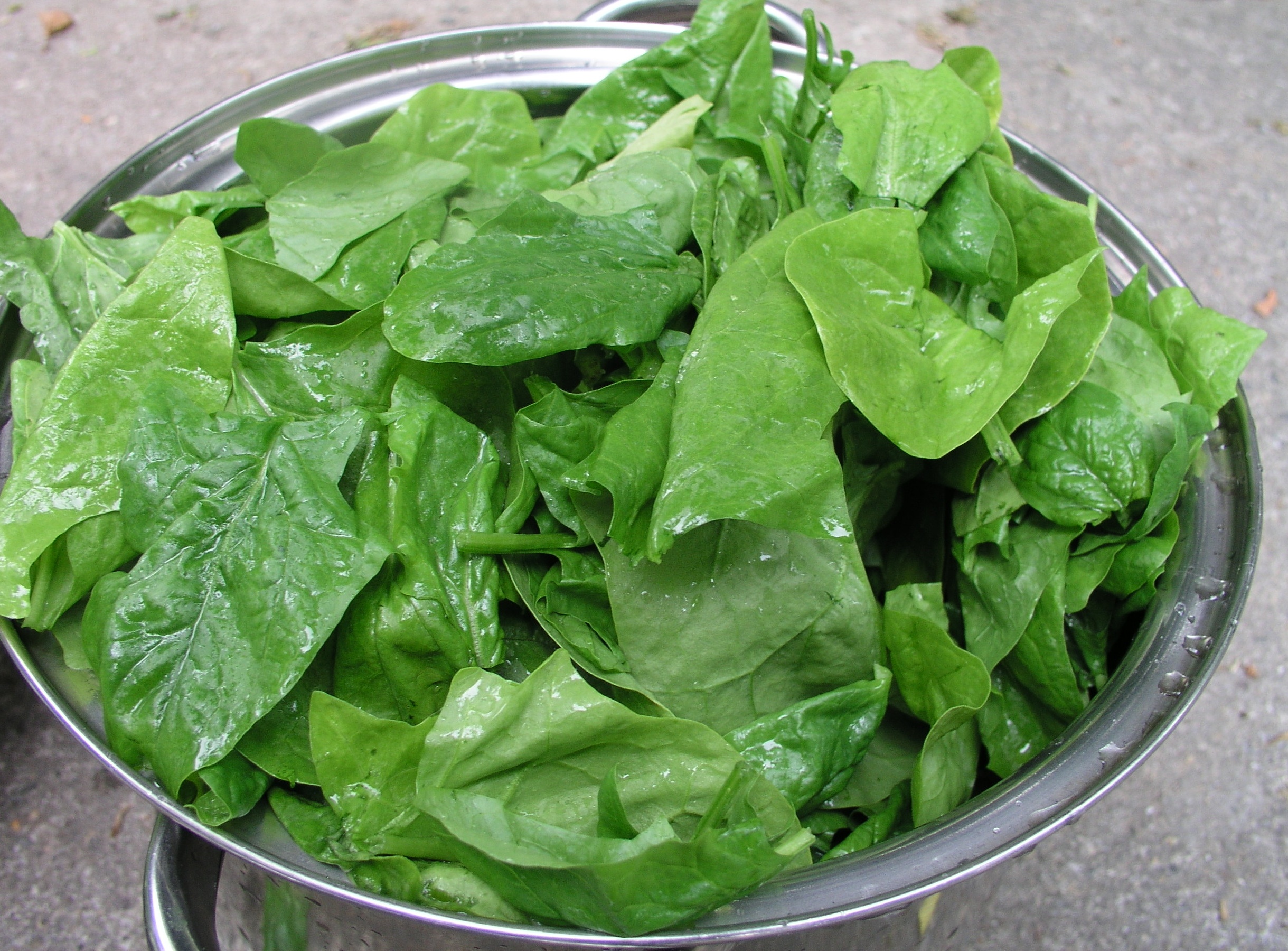
Early boxes lean heavily on crops that thrive in cold soil and tolerate light frost. Expect spinach, arugula, kale, Swiss chard, radishes, salad mix, green onions, and herbs such as chives and parsley. Peas and early lettuce heads appear by late May in southern Ontario and BC, and a few weeks later in Quebec and Alberta.
July: Transition Month
The summer heat crops begin coming in alongside the last of the spring greens. Kohlrabi, early cucumbers, summer squash, and snap beans arrive. Some boxes include garlic scapes — the curled stalks that grow from hardneck garlic before the bulb matures — which have a mild garlic flavour and a short window of availability.
August: Peak Summer
This is typically the most abundant period. Tomatoes, sweet corn, peppers, eggplant, cucumbers, zucchini, beans, and basil appear in volume. Beets, carrots, and new potatoes may arrive alongside summer-peaking crops. Members who have managed their spring boxes carefully often find August is when they need to be most attentive to storage.
September–October: Storage Crops and Transition
As daylight shortens and temperatures drop, summer crops slow and root vegetables come to the front. Winter squash — butternut, acorn, delicata, spaghetti — arrives and keeps for weeks in a cool pantry. Celeriac, parsnips, turnips, and storage onions replace summer salad items. Leeks extend into late October in milder areas.
Garlic scapes, kohlrabi, and celeriac are frequently unfamiliar to first-time CSA members. Each is straightforward to prepare: scapes can be used anywhere garlic is called for; kohlrabi can be eaten raw or roasted; celeriac works well in soups, purees, and roasted alongside root vegetables.
Storage Basics for Common CSA Crops
The single most common reason CSA members feel overwhelmed is poor storage planning. Most fresh produce from a farm field is at its peak the day it arrives. Knowing how to store each item correctly extends usable time considerably.
- Leafy greens (spinach, arugula, kale, chard): Store unwashed in a loosely sealed bag or container in the crisper drawer with a dry paper towel to absorb moisture. Use within 4–7 days.
- Root vegetables (carrots, beets, turnips, parsnips): Remove leafy tops before refrigerating to prevent moisture loss from the root. They keep for two to four weeks in the crisper.
- Summer squash and zucchini: Refrigerate unwashed. Use within one week; zucchini deteriorates faster than other squash.
- Winter squash: Do not refrigerate. Store in a dry, cool space — a basement or pantry at roughly 10–15°C. Keeps for weeks to months depending on variety.
- Tomatoes: Do not refrigerate. Keep at room temperature and use within a few days of peak ripeness. Refrigeration halts ripening and affects texture.
- Herbs: Treat like cut flowers — trim stems and place in a glass of water on the counter, or wrap in a damp cloth in the refrigerator. Use within 3–5 days.
- Potatoes: Keep in a dark, cool, dry location. Avoid refrigerating — cold converts starch to sugar and affects cooking quality.
- Garlic and onions: Store in a basket or mesh bag in a dry place with airflow. Do not refrigerate.
Managing the Weekly Rhythm
A practical approach for new CSA members is to take stock of the previous box's remaining contents before the new one arrives. Items that are close to the end of their good period should be used first. This requires a brief weekly habit — looking at what is in the refrigerator on pickup day and planning the next few meals around it before adding the new box on top.
Blanching and freezing is a reliable way to handle surplus. Greens, beans, peas, and corn all freeze well after a brief blanch in boiling water followed by immediate cooling in ice water. They lose texture for fresh salads but remain fully usable in cooked dishes through winter.
Cooking Around the Box
CSA cooking tends to work better when organized around a few flexible templates rather than recipes that require specific ingredients. Templates that work across different vegetables include:
- Roasted sheet pan — root vegetables, summer squash, and brassicas all roast well at high heat with oil and salt. The specific vegetables can change week to week.
- Braised greens — kale, chard, and spinach can all be wilted in a pan with garlic and olive oil, used as a side or folded into pasta and grains.
- Soup base — a rough soup made from onions, celery or celeriac, carrots, and whatever root vegetables are on hand works throughout fall and winter.
- Grain salads — farro, barley, or bulgur combined with roasted or raw vegetables and a simple vinaigrette adapts to any season's box contents.
When the Box Contains Something Unfamiliar
Most CSA farms send a weekly email or newsletter listing what is in that week's box and often including preparation suggestions. This is the most reliable first resource when encountering an unfamiliar item. Beyond that, Agriculture and Agri-Food Canada's nutritional resources and the Canadian Food Guide provide context on how various vegetables fit into meal planning.
For specific crop handling and preparation, the Canada's Food Guide provides general guidance on incorporating a wider range of vegetables into daily eating. University extension programs in Ontario and BC have also published free guides on preserving seasonal produce through canning, fermenting, and freezing.
External References
- Canada's Food Guide — federal nutrition resource.
- Food Secure Canada — local food systems and food access research.
- Canadian Federation of Agriculture — agriculture industry resources and farm policy.