Understanding CSA Farm Shares in Canada
A reference on how community-supported agriculture works, what to expect from a seasonal box delivery, and how Canadians connect with local farms through shared harvest arrangements.
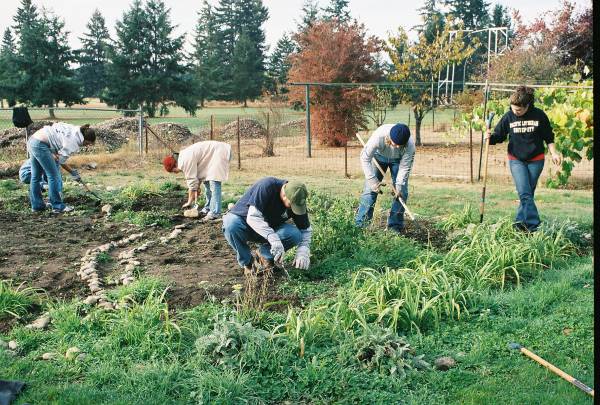
What is CSA
Farm Shares, Explained
Community-supported agriculture (CSA) is an arrangement where households purchase a seasonal subscription from a farm at the start of the growing season. In return, they receive regular boxes of freshly harvested produce throughout the season — typically weekly or bi-weekly.
Step 01
Choose a Farm
Members identify a local farm offering CSA subscriptions, often through regional directories or farmers' markets.
Step 02
Purchase a Share
Payment is made upfront or in installments before the growing season begins, covering a portion of the farm's operating costs.
Step 03
Receive Weekly Boxes
Boxes arrive on a set schedule — either through farm pickup, community drop-off points, or home delivery depending on the farm.
Step 04
Cook Seasonally
Box contents reflect what is currently growing, which shifts throughout the season from spring greens to summer squash to fall roots.
Articles
Guides on CSA & Seasonal Produce

How CSA Programs Work: A Practical Overview
The structure of community-supported agriculture, from share types and pickup logistics to what members typically receive during each growing season.
Read article
Selecting a Local Farm Share: What to Consider
Factors that affect which CSA subscription suits a household — share size, delivery frequency, farm practices, and regional availability across Canadian provinces.
Read article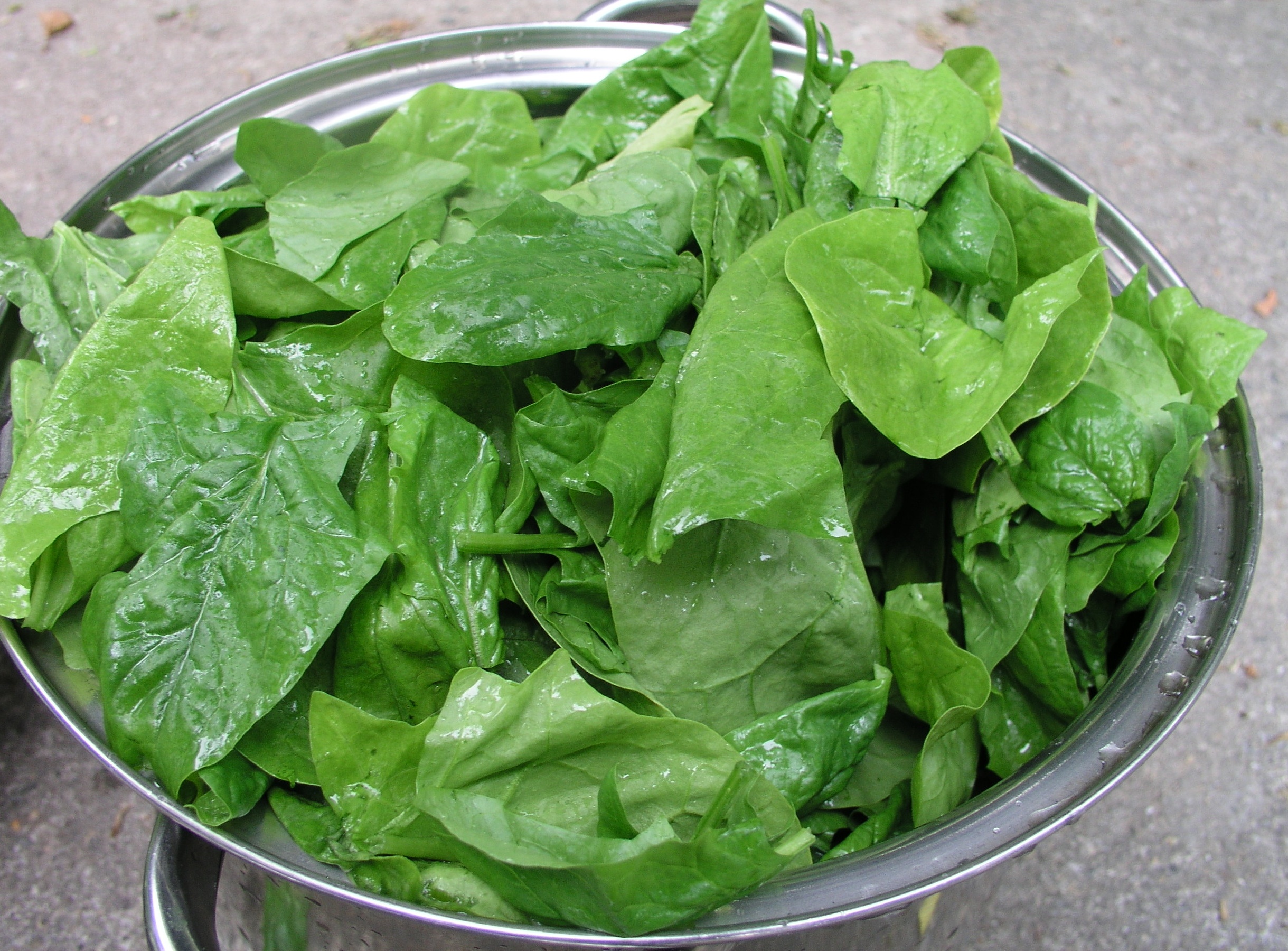
Making the Most of Seasonal Produce Deliveries in Canada
How to store, prepare, and use the range of vegetables and herbs that arrive in CSA boxes throughout the Canadian growing season from May through October.
Read articleWhy CSA
Shared Risk, Shared Harvest
The core economic logic of community-supported agriculture is that members share in both the risk and reward of a growing season. If the harvest is plentiful, boxes are full. If weather or pests reduce yields, portions may be smaller.
This model gives farms upfront capital before the season begins — money used for seeds, equipment, and labour. For members, it provides direct access to fresh produce at farm-level pricing, with full transparency about growing practices.
In Canada, CSA operations vary considerably by province. Ontario and Quebec host the largest concentrations of farms, while British Columbia's milder climate enables longer seasons. Prairie provinces offer grain and livestock share variants alongside vegetable operations.

Contact
Get in Touch
For questions about CSA programs or editorial inquiries, use the form below.